
Stories from the Field: Every Student, Everyday, Every Opportunity - Aligning District Leaders to a Theory of Action
Reported from the field by Reena Patel
Our work with school and district leaders doesn’t stop when the final bell rings for the last day of the school year, and neither do their efforts toward ensuring student success.
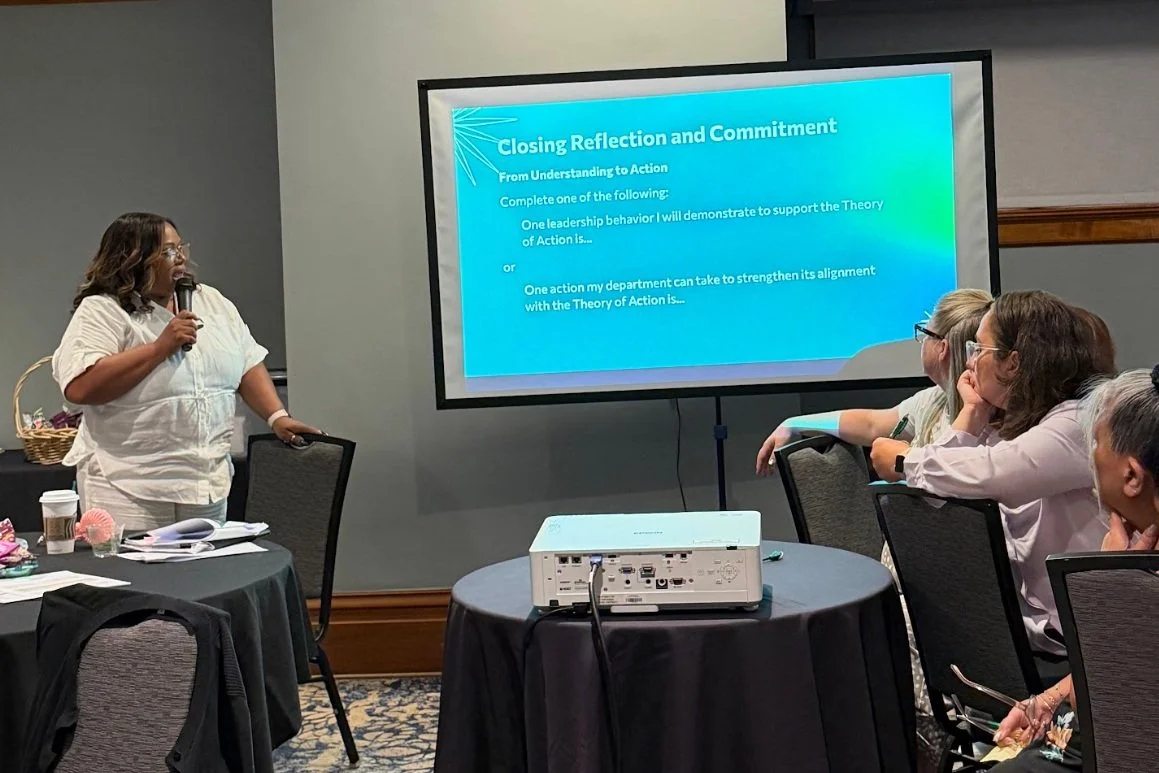
This rings true for the Evergreen Elementary School District (EESD) in San Jose, CA, who recently held a management retreat. I got to see them work towards turning their vision into action through understanding their Theory of Action (TOA), aligning leadership and collective work, and building towards creating the conditions needed for improved student outcomes.
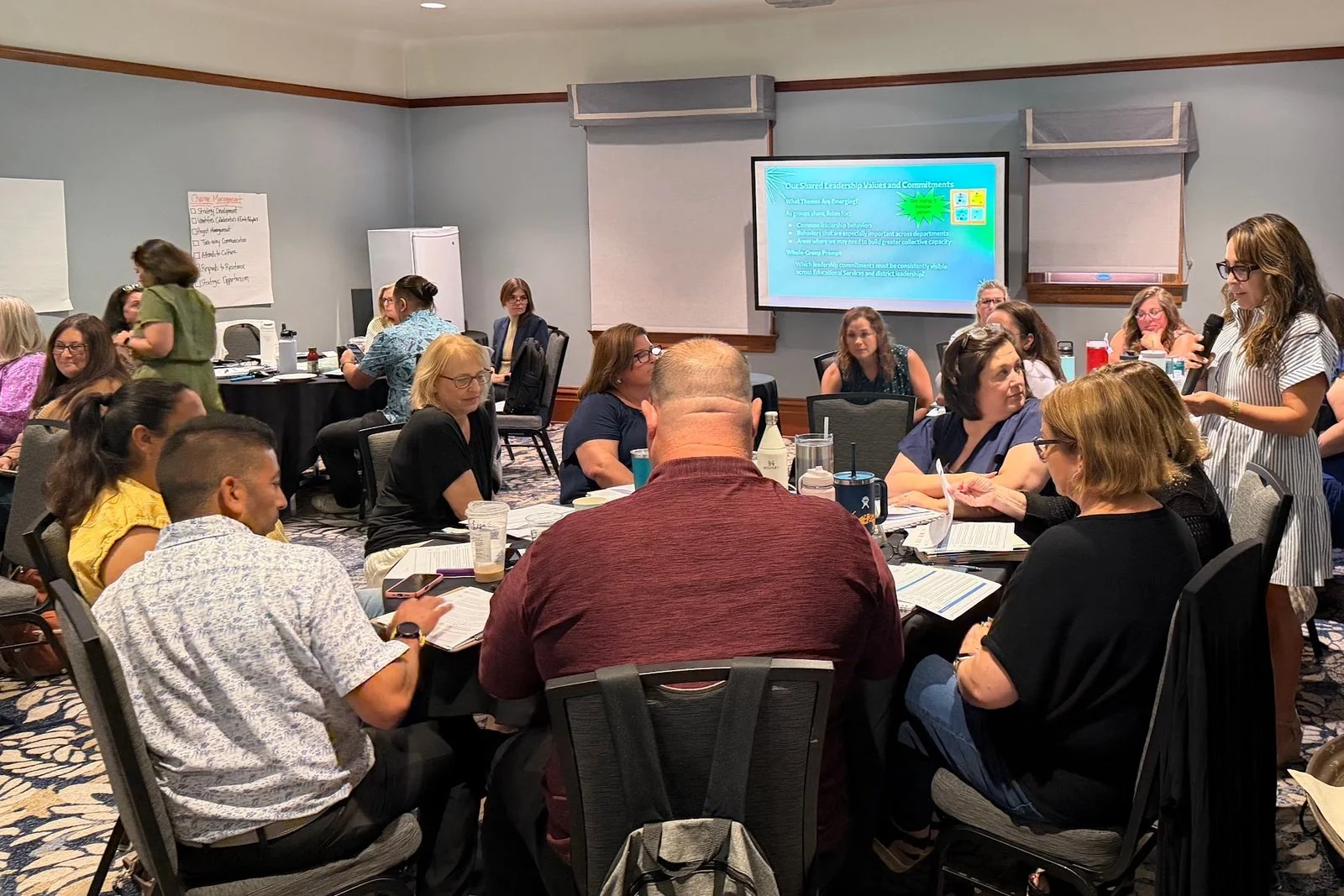
Leaders from every school site and district department came together around a shared charge from Superintendent Dr. Antoine Hawkins: Every Student, Everyday, Every Opportunity. His framing was clear:
Every Student represents equity: Ensuring no student is marginalized or overlooked
Everyday represent consistency: Excellence cannot be occasional
Every Opportunity represents pathways: Looking beyond basic academics, providing diverse pathways, enrichment, and interventions
Dr. Hawkins challenged leaders to actively identify and dismantle systemic barriers, advocate for resources that better support students who have been historically underserved, use student voice and equity-focused data to guide decisions, and ensure that our policies and practices create a genuine sense of belonging and academic possibility for every student.
Assistant Superintendent Tonya Trim and Educational Services Director Dr. Marena Doxieto invited leaders to explore a critical question: How do we move from a Theory of Action on paper to a shared way of leading, collaborating, and making decisions?
Evergreen's Educational Services Theory of Action is intended to serve as a district “North Star,” clarifying how leadership actions, systems, and supports create the conditions for stronger teaching, learning, and student outcomes.
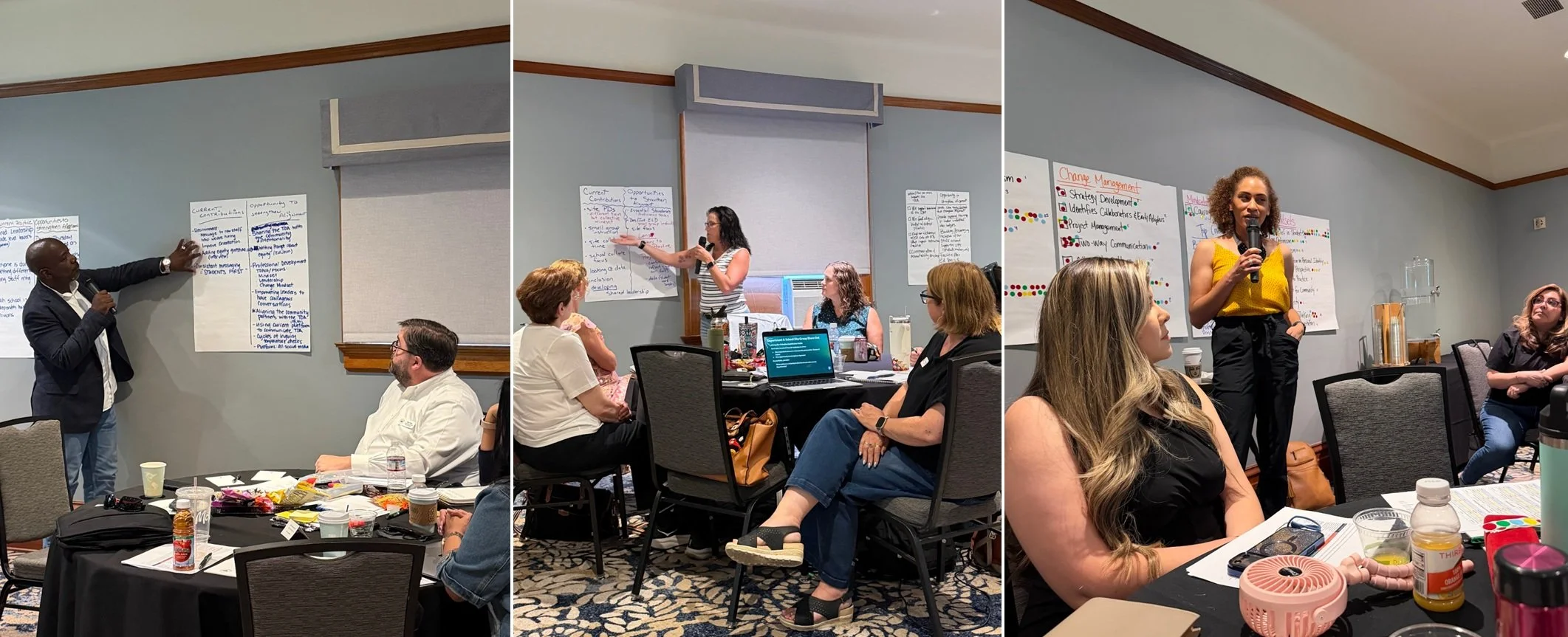
Our learning arc moved from understanding → leading → aligning → strengthening. Leaders reflected on the Theory of Action, identified the leadership behaviors needed to bring it to life, examined how each department contributes to student success, and surfaced opportunities for greater alignment across the district.
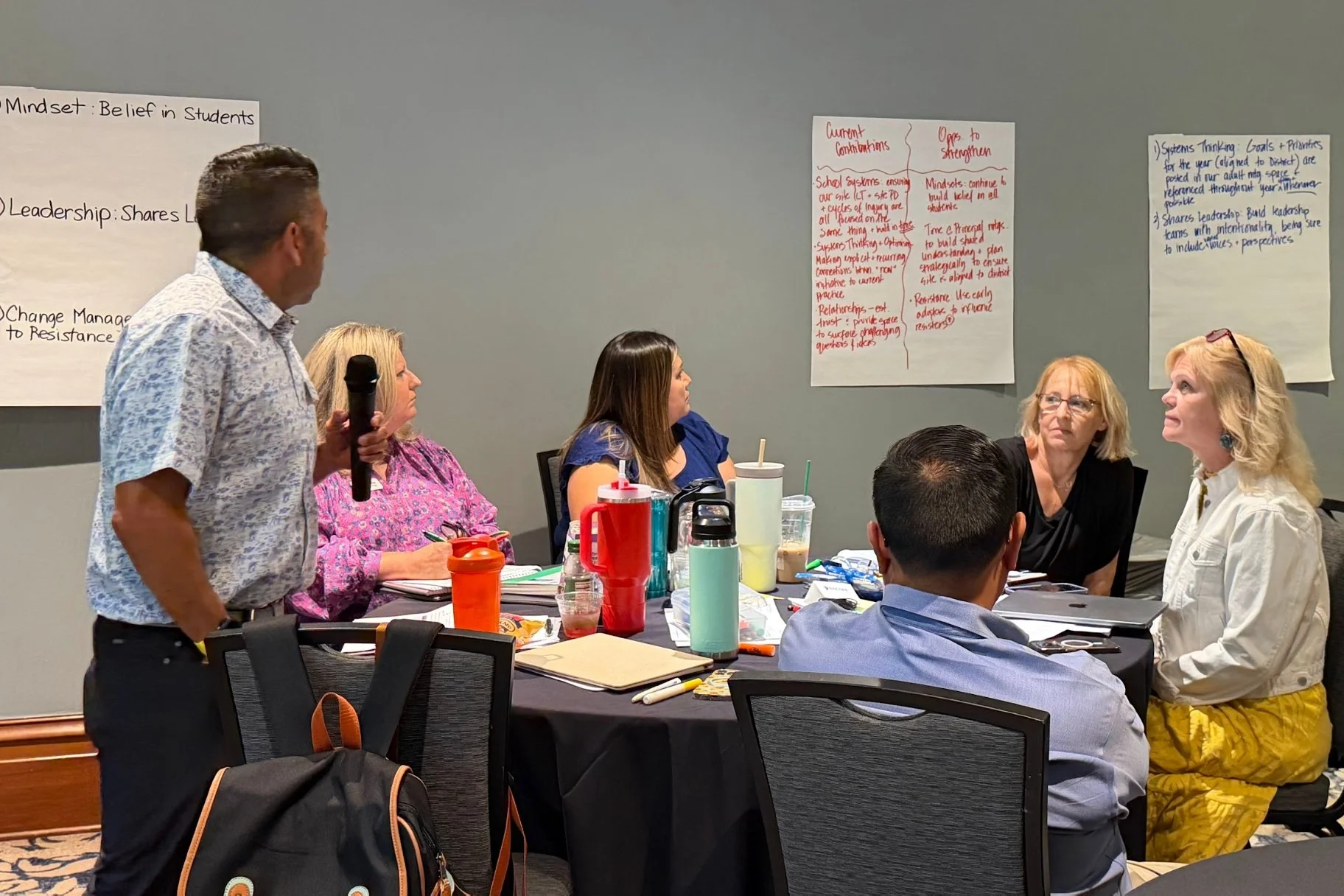
One of the most important ideas from the day was that no department works in isolation. Dr. Hawkins named the need to dismantle silos across instructional services, human resources, business operations, classified leadership, and school sites so that student support is coordinated rather than fragmented.
That same idea carried directly into our Theory of Action work. Student success depends on the collective conditions we create through systems, staffing, communication, resources, professional learning, safe learning environments, and relationships with students, staff, families, and community.
The work now is to turn shared understanding into shared ownership and action by making clearer connections across departments, strengthening coordination, using data to surface and address equity gaps, and ensuring the Theory of Action shapes how we lead, collaborate, make decisions, allocate resources, and support schools.
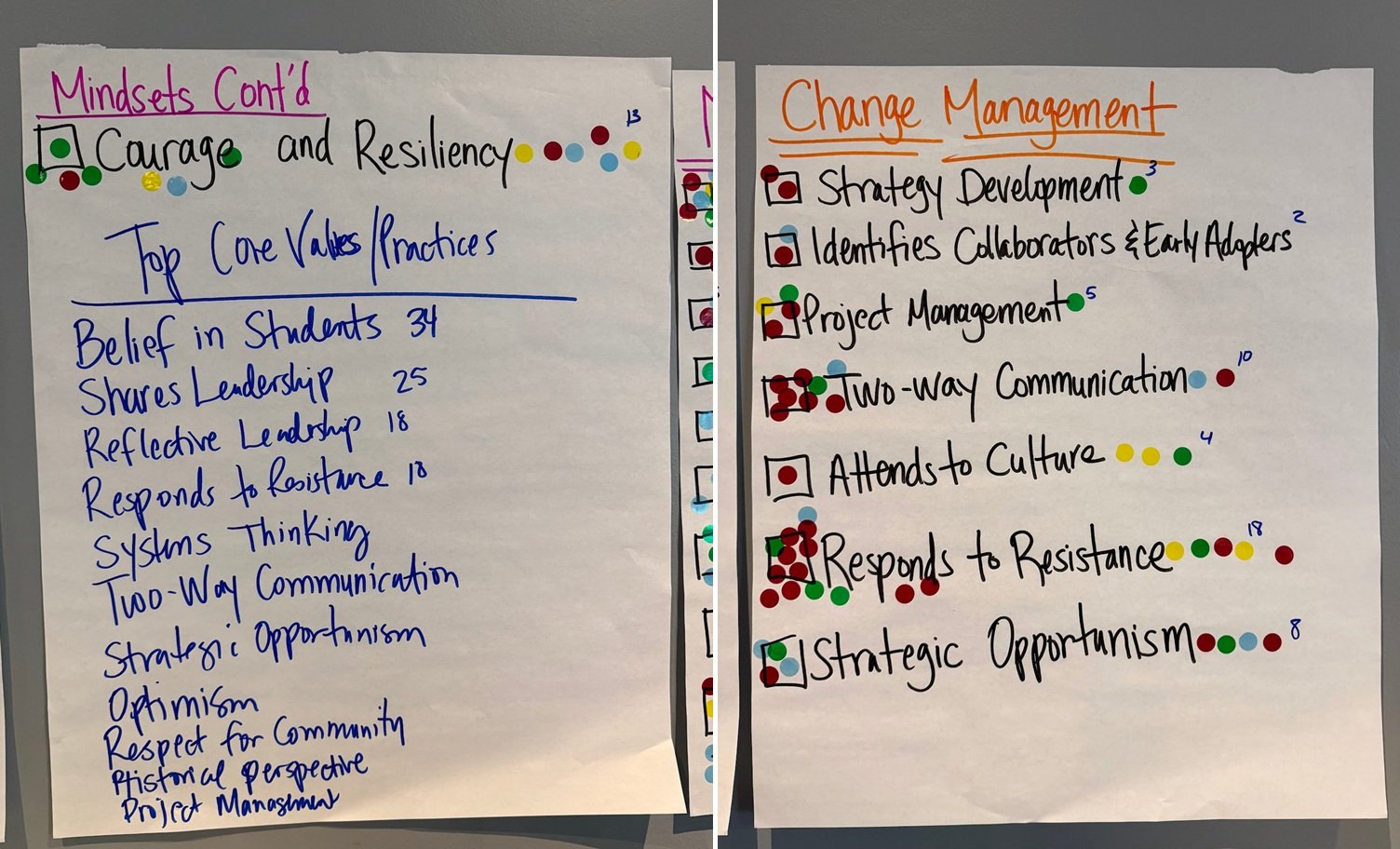
As Dr. Hawkins reminded us, “Every Student, Everyday, Every Opportunity” must become the filter through which district decisions are evaluated. It was motivating to see these engaged educators and leaders go through the arc of learning and commit to
Understand: What is the Theory of Action, and why was it developed?
Lead: How must we show up as leaders to make it real?
Align: How does each department contribute?
Strengthen: What feedback will make the framework clearer and more useful?
I’m grateful to partner alongside EESD leaders as they continue the work of transforming a shared vision into daily practice.
Partners in School Innovation supports educators to become change agents. To learn more about our work, check out what we do.